
What role does the Bible play in living out the Christian faith? To answer that honestly, I must divide my life into two distinct chapters: the years before my "re-version," and the years since.
For most of my young adult life, the Bible was something I
respected from a distance, but frankly, it was not something I studied,
understood, or was particularly interested in. I grew up attending Catholic
religious education, so I knew the classic stories—Noah and the ark, Moses
parting the Red Sea, the Nativity, and the Resurrection. But I had absolutely
no concept of how the Word of God was developed, how it was meant to be
interpreted, or how the massive library of books was organized.
Even in college, when I served as a lector at Sunday Mass,
proclaiming the readings was just something I did; it wasn't something I truly
"got". I didn't understand the structural difference between the
Bible and the Lectionary. I was completely blind to how the strands of the Old
Testament first reading, and the New Testament second reading correlated
directly with the Gospel. I didn't realize that the Psalms we read were
originally Jewish hymns sung during worship in the ancient Synagogue. All of it
was Greek to me.
Then, several years ago, I participated in a retreat that
was an eye-opening, pivotal turning point. Several men on my retreat team were
deeply steeped in Biblical understanding, and they shared their love for
Scripture openly. One team member, a convert to the faith, recommended a
podcast called The Word on the Hill, featuring a priest from Colorado
and a Biblical scholar. Together, these experiences formed a spiritual catalyst
that completely reshaped my relationship with God's Word. I began to see that
the Holy Spirit had planted a tiny "Mustard Seed" in my heart years
ago, and through study and community, it was finally blossoming.
Understanding Divine Inspiration
As my love for the Bible grew, I became deeply interested in
its history, analysis, and theological framework. I began to look closer at
what it actually means when we call the Bible the "Word of God." This
brings us to the profound concept of Divine Inspiration.
The origins of the word "inspiration" are quite
majestic, deriving from the Latin inspirare, which means "to
breathe or blow into". This has a beautiful, direct correlation to the
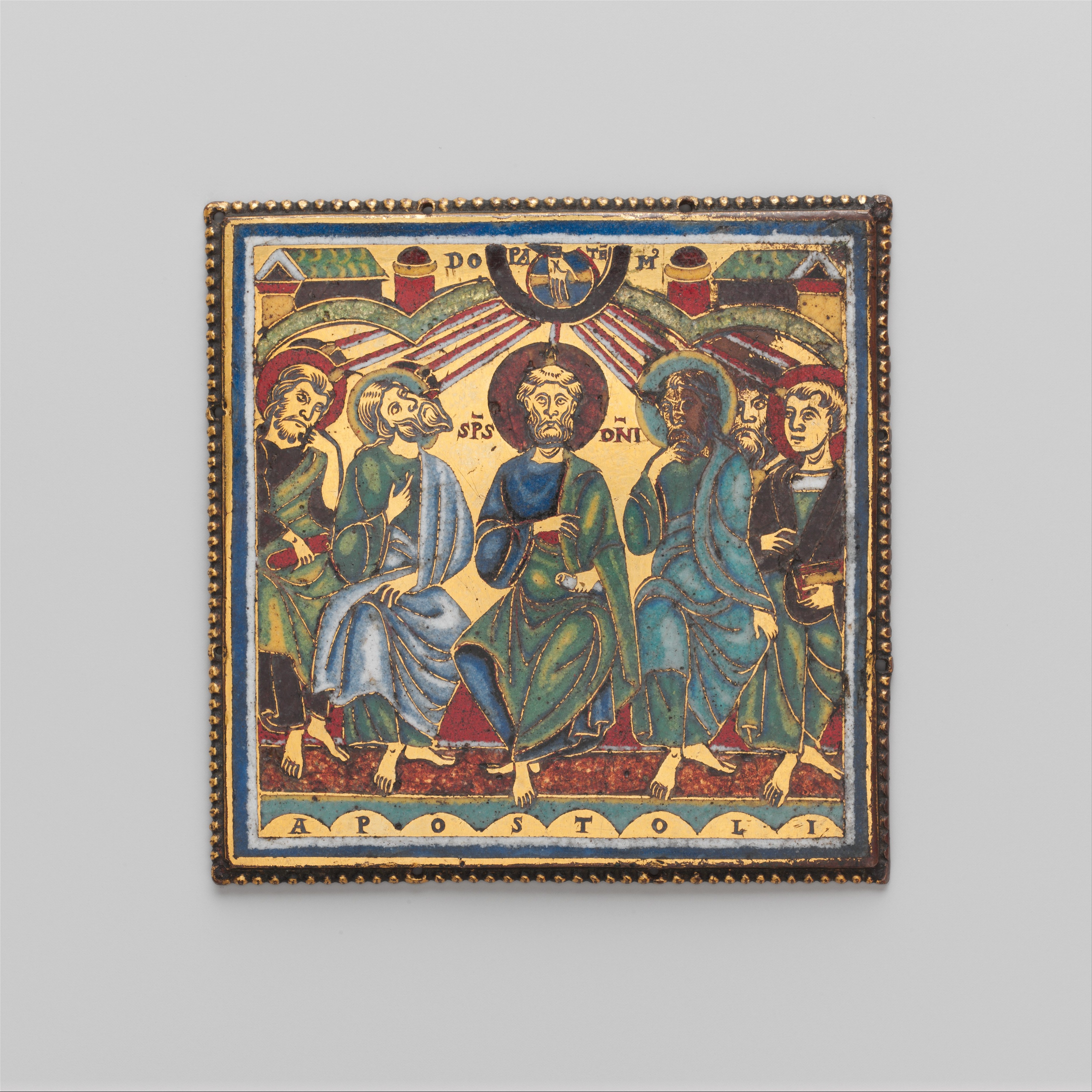
Holy Spirit breathing life into the early Church after Pentecost, arriving like
the rush of a mighty wind. When we talk about scriptural inspiration, we are
talking about divine guidance, divine influence, and ultimately, a divine
movement of the heart and mind. As St. Paul famously wrote to Timothy, “All
Scripture is inspired by God and profitable for teaching, for reproof, for
correction, and for training in righteousness…”. (2 Timothy 3:16)
But how does this breath of God interact with human hands?
In his Post-Synodal Apostolic Exhortation Verbum Domini, the late Pope
Benedict XVI captured this mystery perfectly, noting that true inspiration
recognizes "the full importance of the human author who wrote the inspired
texts, and at the same time, God himself as the true author".
God did not dictate the Bible to mindless robots; He spoke
through the faith, intelligence, unique abilities, and even the limitations of
real human beings living in specific times and places. Because of this dual
authorship, Scripture is deeply important not just for the literal words used
to convey our salvation, but also for the context in which the human author and
their audience lived.
When we recognize that their ancient context—filled with
suffering, doubt, hope, and the need for redemption—is fundamentally similar to
our own today, the incredible "agelessness" of God’s word shines
through. Connecting God, the human author, the initial audience, and ourselves
is what allows the Word to leap off the page and break into our hearts.
Photo: Plaque with the Pentecost - South Netherlandish - The Metropolitan Museum of Art
Comments
Post a Comment